
Digital Marketing for Beginners , In today’s connected world, digital marketing has become one of the most important tools for businesses and individuals who want to build an online presence. Whether you are starting a business, promoting a personal brand, or exploring a career in marketing, understanding digital marketing can help you reach your goals more effectively.
For beginners, digital marketing may seem complex because it includes many different channels, platforms, and strategies. However, with the right approach, anyone can learn the basics and create a successful marketing plan. This guide provides a step-by-step framework to help beginners launch their digital marketing strategy and achieve meaningful results.
What is Digital Marketing?

Digital marketing is the practice of promoting products, services, or brands through online platforms and digital technologies. It involves using channels such as websites, search engines, social media, email, and online advertisements to connect with potential customers.
Unlike traditional marketing, digital marketing allows businesses to interact directly with their audience, track performance in real time, and make data-driven decisions. This makes it one of the most effective and flexible marketing methods available today.
Digital Marketing for Beginners is the process of learning how to promote products, services, or brands through online channels such as websites, search engines, social media, email, and digital advertising to reach and engage target audiences effectively
Why Digital Marketing for Beginners Matters
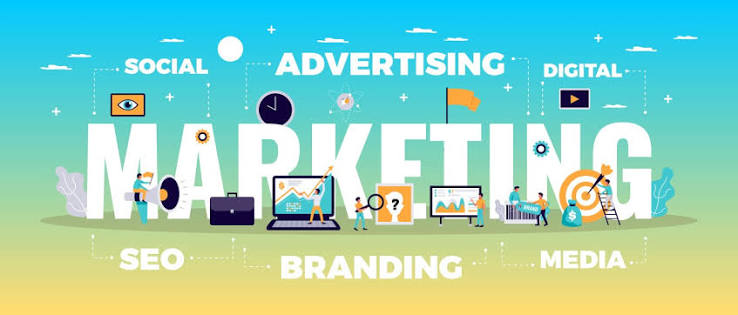
The internet has changed the way people discover information, compare products, and make purchasing decisions. Before buying a product or hiring a service, most consumers conduct online research. Businesses that maintain a strong online presence are more likely to attract and retain customers.
Digital marketing offers several advantages:
- Greater audience reach
- Cost-effective promotion
- Better customer targeting
- Measurable results
- Increased customer engagement
- Higher conversion opportunities
- Long-term business growth
These benefits make digital marketing essential for businesses of all sizesFor Digital Marketing for Beginners, understanding the importance of digital marketing helps build a strong online presence, reach the right audience, and achieve business growth in the digital age.
Step 1: Define Your Marketing Goals
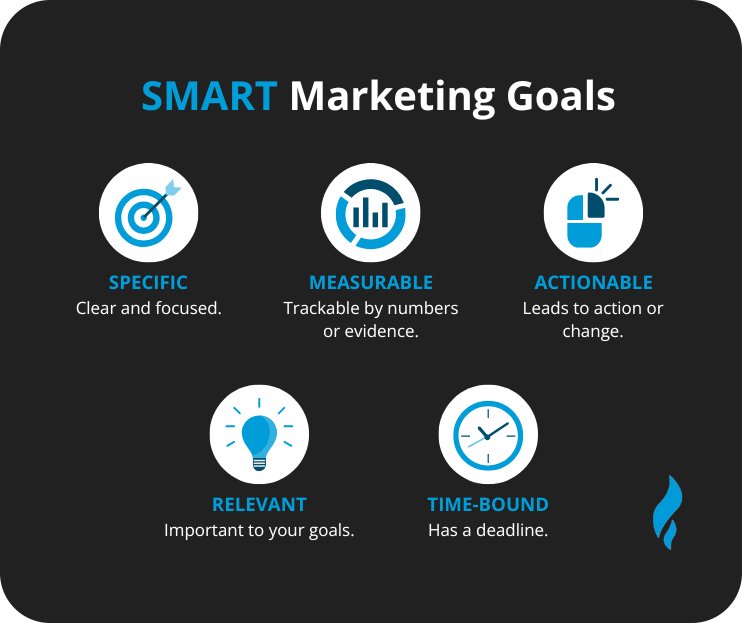
Every successful marketing strategy starts with a clear objective. Before creating content or launching campaigns, determine what you want to achieve.
Your goals might include:
- Increasing website visitors
- Growing social media followers
- Generating leads
- Improving brand awareness
- Increasing online sales
- Building customer loyalty
Setting clear and measurable goals helps you stay focused and evaluate your progress over time.
For example:
- Increase website traffic by 25% within six months.
- Gain 1,000 new Instagram followers in three months.
- Generate 50 qualified leads each month.
Specific goals create a roadmap for your marketing efforts.For Digital Marketing for Beginners, defining clear marketing goals is the first step toward success. Setting specific objectives such as increasing website traffic, generating leads, improving brand awareness, or boosting sales helps create a focused strategy and measure progress effectively over time
Step 2: Understand Your Target Audience
One of the most important aspects of digital marketing is understanding who you want to reach. Knowing your audience helps you create relevant content and choose the right marketing channels.
Consider factors such as:
- Age
- Gender
- Location
- Interests
- Occupation
- Purchasing habits
- Online behavior
Creating customer personas can help you visualize your ideal audience. A customer persona is a detailed profile that represents your target customer.
When you understand your audience, you can deliver content that addresses their needs and interests.For Digital Marketing for Beginners, understanding your target audience helps create content that meets their needs and improves marketing results.
Step 3: Build a Strong Online Presence

Your online presence serves as the foundation of your digital marketing strategy. The first step is creating a professional website that represents your brand effectively.
A successful website should:
- Be mobile-friendly
- Load quickly
- Have clear navigation
- Include valuable information
- Provide contact details
- Feature strong calls-to-action
Your website acts as a central hub where visitors can learn about your business and take desired actions.
In addition to your website, create professional social media profiles that align with your brand identity.For Digital Marketing for Beginners, building a strong online presence through a professional website and active social media profiles helps increase visibility and attract potential customers
Step 4: Learn Search Engine Optimization (SEO)
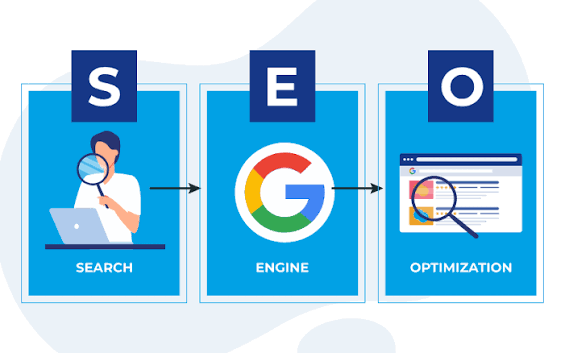
Search Engine Optimization (SEO) is the practice of enhancing a website to help it appear more prominently in search engine results and attract relevant visitors. When users search for topics related to your business, SEO helps your website appear in front of them.For Digital Marketing for Beginners, learning Search Engine Optimization helps improve website visibility and attract more organic traffic from search engines.
Key SEO elements include:
Keyword Research
Discover the search terms and phrases your target audience commonly uses to find information, products, or services online.
Content Optimization
Create informative content that naturally includes relevant keywords.
Technical Improvements
Build a website that delivers strong security, lightning-fast performance, and a seamless user experience.
Quality Backlinks
Boost your online authority by gaining backlinks from reputable and trustworthy websites.
SEO is a long-term strategy that can generate consistent organic traffic and improve online visibility.
Step 5: Create Valuable Content
Content is the heart of digital marketing. High-quality content helps attract visitors, answer questions, and build trust with your audience.
Examples of content include:
- Blog articles
- Videos
- Infographics
- E-books
- Social media posts
- Podcasts
- Tutorials
When creating content:
- Focus on solving problems
- Provide useful information
- Answer common questions
- Maintain consistency
Content that delivers value is more likely to be shared and remembered.For Digital Marketing for Beginners, creating valuable content helps attract the right audience, build trust, and improve engagement with potential customers.
Step 6: Use Social Media Effectively
Social media platforms offer businesses a direct way to connect with their audience. They help increase visibility, encourage engagement, and strengthen customer relationships.
Popular platforms include:
- YouTube
- X (Twitter)
Focus your marketing efforts on the platforms your target audience uses most frequently.
To succeed on social media:
- Post consistently
- Share useful content
- Respond to comments
- Engage with followers
- Monitor performance
Building an active social media presence takes time, but it can significantly enhance brand awareness.For Digital Marketing for Beginners, using social media effectively helps increase brand awareness, engage with audiences, and drive more traffic to your website
Step 7: Start Email Marketing
Email marketing remains one of the most reliable digital marketing channels because it provides direct access to your audience.
Benefits of email marketing include:
- Building customer relationships
- Promoting products and services
- Sharing updates and news
- Encouraging repeat purchases
- Increasing customer retention
To build an email list, offer something valuable such as a guide, newsletter, or free resource.
Focus on providing useful information rather than constantly selling products.For Digital Marketing for Beginners, email marketing helps build customer relationships, share valuable updates, and increase engagement with your audience.
Step 8: Explore Paid Advertising
Paid advertising allows businesses to reach their target audience quickly and effectively.
Popular advertising platforms include:
- Google Ads
- Facebook Ads
- Instagram Ads
- LinkedIn Ads
- YouTube Ads
Paid campaigns can help:
- Increase website traffic
- Generate leads
- Promote products
- Build brand awareness
Beginners should start with a small budget and analyze campaign performance before increasing spending.For Digital Marketing for Beginners, paid advertising helps reach a targeted audience quickly, increase website traffic, and generate leads or sales more effectively
Step 9: Monitor Your Performance
A major benefit of digital marketing is its ability to track and analyze performance with precision.
Key performance indicators( KPIs) include:
- Website traffic
- Conversion rates
- Social media engagement
- Email open rates
- Click-through rates
- Return on investment ROI
Monitoring performance helps you understand what works and what needs improvement.
Using data to guide marketing strategies helps improve results and maximize efficiency.For Digital Marketing for Beginners, monitoring your performance helps measure results, identify successful strategies, and make data-driven improvements to your marketing campaigns
Step 10: Continuously Improve Your Strategy
Digital marketing is constantly evolving. Consumer preferences, technology, and online trends change regularly.
To stay competitive:
- Update content frequently
- Learn new marketing techniques
- Test different strategies
- Analyze results
- Adjust campaigns when necessary
Continuous improvement ensures your strategy remains effective over time.For Digital Marketing for Beginners, continuously improving your strategy helps you adapt to changing trends, enhance results, and achieve long-term marketing success
Common Mistakes Beginners Should Avoid
Many newcomers make mistakes that limit their success.
Some common mistakes include:
- Setting unclear goals
- Ignoring audience research
- Posting inconsistent content
- Neglecting SEO
- Focusing on too many platforms at once
- Failing to track performance
- Expecting instant results
Avoiding these mistakes can help you build a stronger and more sustainable marketing strategy.For Digital Marketing for Beginners, avoiding common mistakes such as unclear goals, inconsistent content, and ignoring SEO can lead to better marketing results and long-term success.
Essential Digital Marketing Skills
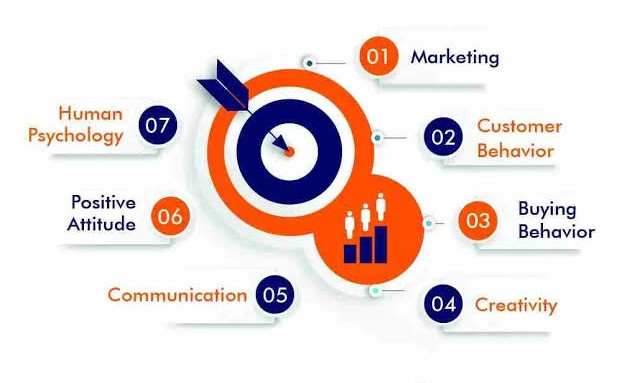
As you gain experience, focus on developing these important skills:
- Content creation
- SEO optimization
- Social media management
- Email marketing
- Analytics and reporting
- Communication
- Creativity
- Strategic thinking
The more skills you develop, the more opportunities you will have in the digital marketing industry.For Digital Marketing for Beginners, developing essential digital marketing skills such as SEO, content creation, social media management, and analytics helps build successful online marketing campaigns
Conclusion
Digital marketing is one of the most powerful ways to grow a business, build a personal brand, and connect with customers in the modern world. Although it may seem challenging at first, beginners can achieve success by following a structured approach and focusing on continuous learning.
By setting clear goals, understanding your audience, building a strong online presence, creating valuable content, optimizing for search engines, leveraging social media, and tracking performance, you can develop an effective digital marketing strategy that delivers long-term results.
Success in digital marketing does not happen overnight. It requires patience, consistency, and a willingness to adapt. However, with dedication and the right strategy, anyone can build a successful digital presence and achieve meaningful growth in today’s competitive digital landscape.For Digital Marketing for Beginners, success comes from setting clear goals, understanding your audience, creating valuable content, and continuously improving your marketing strategy to achieve long-term growth.
If you want any Digital Marketing services, contact me