
Digital Marketing for Small Businesses, The way customers discover, evaluate, and purchase products has changed dramatically over the past decade. Before making a purchase, most people search online, read reviews, compare options, and visit company websites or social media profiles. As consumer behavior moves online, small businesses must adapt to new challenges while taking advantage of emerging opportunities. Companies that fail to establish a strong online presence risk being overlooked, while those that embrace digital marketing can attract new customers and compete effectively, regardless of their size. Digital Marketing for Small Businesses is essential for reaching modern customers and building a strong online presence.
Digital marketing provides small businesses with the tools to connect with their audience, promote their products or services, and build meaningful customer relationships. Unlike traditional advertising, digital marketing offers precise targeting, measurable results, and flexible budgets, making it accessible to businesses of all sizes.
This article explores the importance of digital marketing for small businesses, the benefits it offers, and the strategies that can drive long-term growth.
Understanding Digital Marketing
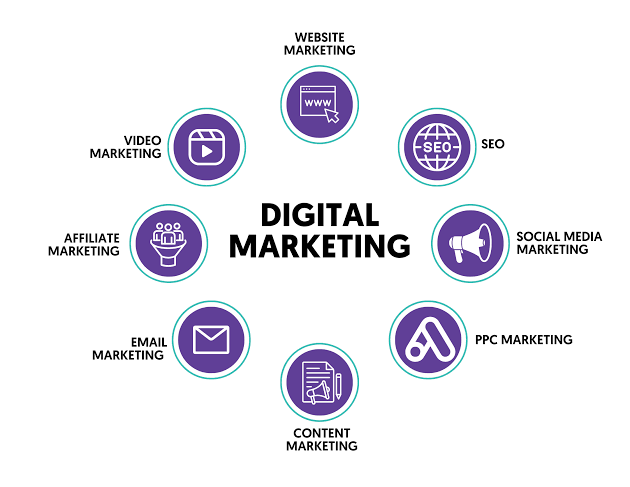
Understanding Digital Marketing for Small Businesses helps owners choose the right strategies to attract and retain customers.Digital marketing encompasses all online activities used to promote a business, engage customers, and increase sales. It includes a variety of channels and techniques designed to reach people where they spend much of their time—online.
Popular digital marketing methods include:
- Search Engine Optimization (SEO)
- Content Marketing
- Social Media Marketing
- Email Marketing
- Search Engine Advertising
- Video Marketing
- Mobile Marketing
- Online Reputation Management
These strategies help businesses increase visibility, attract potential customers, and strengthen brand credibility.
Why Digital Marketing Matters for Small Businesses
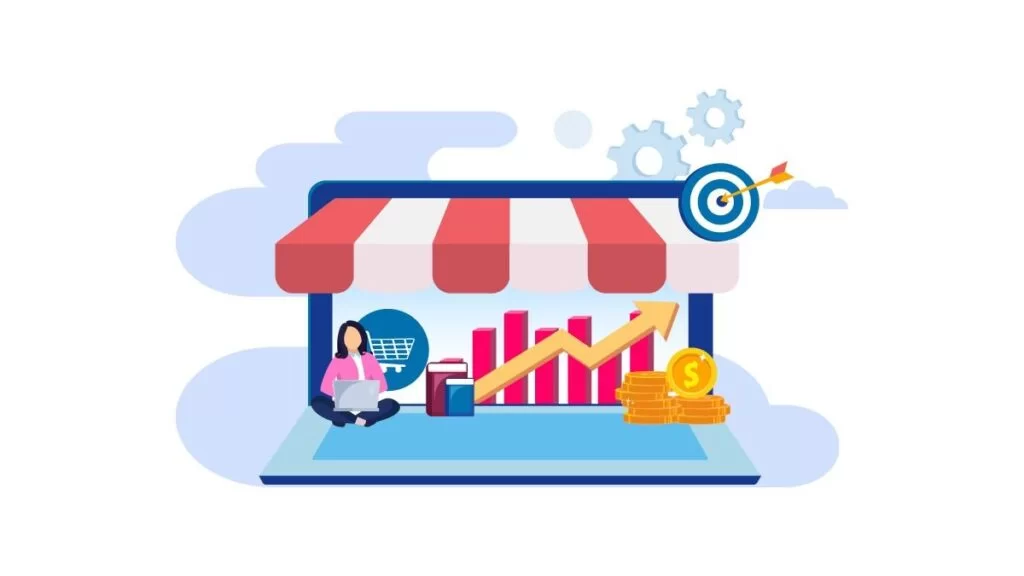
One of the main benefits of Digital Marketing for Small Businesses is the ability to compete with larger brands on a limited budget
Customers Begin Their Journey Online
Modern consumers rely heavily on the internet when searching for products, services, and local businesses. Whether someone needs a restaurant, a clothing store, a digital service, or a home repair expert, their first step is often a search engine query.
A business with a strong online presence is more likely to be discovered by potential customers. Digital marketing ensures your business appears where people are actively looking for solutions.
It Levels the Playing Field
In traditional marketing, larger companies often dominate because they have bigger advertising budgets. Digital marketing changes this dynamic by allowing small businesses to compete on creativity, relevance, and customer engagement rather than spending power alone.
A well-optimized website, valuable content, and consistent social media activity can help a small business gain visibility and attract customers just as effectively as larger competitors.
Builds Stronger Customer Relationships

Digital marketing creates opportunities for ongoing communication between businesses and customers. Through social media interactions, email newsletters, blog comments, and online reviews, businesses can engage directly with their audience.
This continuous interaction helps establish trust, improve customer satisfaction, and encourage repeat business.Digital Marketing for Small Businesses helps businesses build stronger customer relationships by enabling direct communication through social media, email, and personalized content, which increases trust, engagement, and long-term loyalty.
Supports Faster Business Growth

A business that consistently reaches new audiences online has greater opportunities to generate leads and increase revenue. Digital marketing helps create a steady flow of potential customers, making growth more predictable and sustainable.Digital Marketing for Small Businesses helps businesses grow quickly by reaching more customers online and increasing sales at low cost.
By combining multiple digital channels, businesses can expand their reach and strengthen their market position over time.
Key Benefits of Digital Marketing
Increased Visibility and Reach

A physical store is limited by location, but digital marketing allows businesses to connect with customers beyond geographical boundaries. Digital Marketing for Small Businesses helps companies expand their reach beyond local markets and connect with a wider audience.
Improved visibility leads to greater brand recognition and increased opportunities for sales.
Better Use of Marketing Budgets

Every small business wants to maximize its marketing investment. Digital marketing allows businesses to allocate budgets efficiently and focus on strategies that deliver measurable results.
Instead of spending large amounts on broad advertising campaigns, businesses can target specific customer groups and monitor performance in real time.
Data-Driven Decision Making
One of the biggest advantages of digital marketing is access to valuable data. Businesses can analyze customer behavior, website traffic, engagement levels, and conversion rates.
These insights make it easier to identify successful strategies and refine marketing efforts for better outcomes.With Digital Marketing for Small Businesses, owners can track performance and make informed marketing decisions.
Higher Customer Engagement
Digital channels encourage active participation from customers. People can comment on social media posts, share content, submit inquiries, and provide feedback.
This two-way communication strengthens customer relationships and helps businesses better understand audience needs.
Improved Brand Authority
Consumers tend to trust businesses that consistently provide useful information and maintain an active online presence. Publishing educational content, sharing industry insights, and responding to customer questions can position a business as a reliable source of expertise.
As credibility grows, customers become more confident in choosing your products or services.
Growth Strategies for Small Businesses
Develop a Professional Website
A business website is often the first place where potential customers learn about a company and its offerings. A modern, user-friendly website should provide clear information about products, services, pricing, and contact details.
Important website elements include:
- Fast loading speed
- Mobile-friendly design
- Easy navigation
- Clear calls to action
- Secure browsing experience
A professional website helps convert visitors into customers.A professional website is a key component of Digital Marketing for Small Businesses and helps build customer trust
Focus on Search Engine Optimization
SEO helps businesses improve their rankings in search engine results. When customers search for relevant keywords, optimized websites are more likely to appear near the top of the results page.
Effective SEO includes:
- Creating keyword-focused content
- Optimizing page titles and descriptions
- Improving technical website performance
- Earning backlinks from reputable websites
- Updating content regularly
SEO provides long-term visibility and consistent traffic without relying solely on paid advertising.SEO is an important part of Digital Marketing for Small Businesses because it improves search visibility and drives organic traffic.
Create High-Quality Content
Content marketing remains one of the most powerful digital marketing strategies. Informative blogs, videos, tutorials, case studies, and guides help answer customer questions and provide value.
Quality content can:
- Increase website traffic
- Improve search rankings
- Build audience trust
- Generate leads
- Support social media campaigns
The more helpful your content, the more likely people are to engage with your business.
Use Social Media Strategically
Social media platforms offer businesses direct access to their audience. Rather than focusing on every platform, businesses should prioritize the channels where their target customers are most active.
Successful social media strategies include:
- Sharing educational content
- Posting consistently
- Using engaging visuals
- Interacting with followers
- Running targeted advertising campaigns
Social media plays a major role in Digital Marketing for Small Businesses by increasing engagement and brand awareness
Build an Email Marketing Funnel
Email marketing allows businesses to stay connected with customers throughout their buying journey. By collecting email addresses through website forms and promotions, businesses can nurture leads over time.
Effective email campaigns may include:
- Welcome messages
- Product updates
- Educational newsletters
- Special offers
- Customer appreciation emails
Regular communication keeps your brand top-of-mind and encourages repeat business.
Invest in Paid Advertising
While organic marketing strategies deliver long-term results, paid advertising can generate immediate visibility. Search engine ads and social media advertisements allow businesses to reach highly targeted audiences.
Well-designed campaigns can quickly increase website traffic, generate inquiries, and boost sales.
Strengthen Online Reputation
Consumers often check reviews before making purchasing decisions. Positive feedback can significantly influence trust and credibility.
Businesses should encourage satisfied customers to leave reviews and respond professionally to both positive and negative feedback. Maintaining a strong online reputation can directly impact business growth.
The Future of Digital Marketing for Small Businesses
Technology continues to reshape the way businesses connect with customers. Artificial intelligence, automation, voice search, personalized experiences, and advanced analytics are creating new opportunities for small businesses to improve their marketing efforts.
Businesses that stay informed about digital trends and adapt to changing consumer behaviors will be better positioned for future success. The future of Digital Marketing for Small Businesses will be shaped by technology, automation, and personalized customer experiences.
Conclusion
Digital marketing is one of the most valuable investments a small business can make. It offers cost-effective ways to reach customers, increase visibility, strengthen brand credibility, and drive sustainable growth. Unlike traditional marketing methods, digital strategies provide measurable results and allow businesses to adjust their approach based on real-world data.
By investing in Digital Marketing for Small Businesses, companies can increase visibility, attract customers, and achieve sustainable long-term growth
By focusing on SEO, content marketing, social media engagement, email communication, and targeted advertising, small businesses can create a powerful online presence that attracts customers and supports long-term success. In an increasingly digital world, businesses that embrace these strategies will have a stronger foundation for growth and a greater ability to compete in their industry.
If you want any Digital Marketing services, contact me